The Data Hotels Hold
Hotels are data-rich environments. Every guest interaction generates personal information:
- Reservations: Name, contact details, travel dates, preferences
- Check-in: ID/passport details, home address, payment information
- During stay: Room access logs, phone calls, internet usage, F&B charges
- Loyalty programs: Comprehensive history, preferences, spending patterns
- Marketing: Email engagement, booking behavior, demographic data
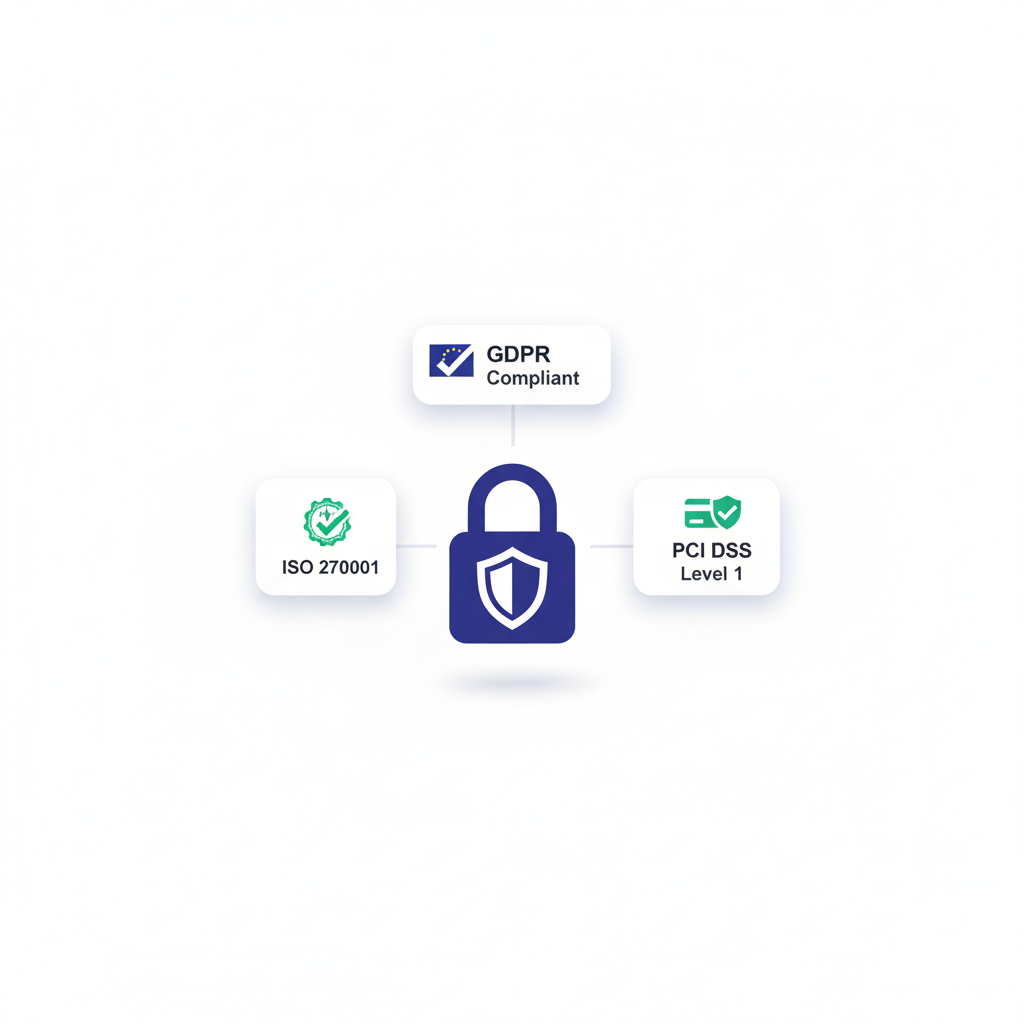
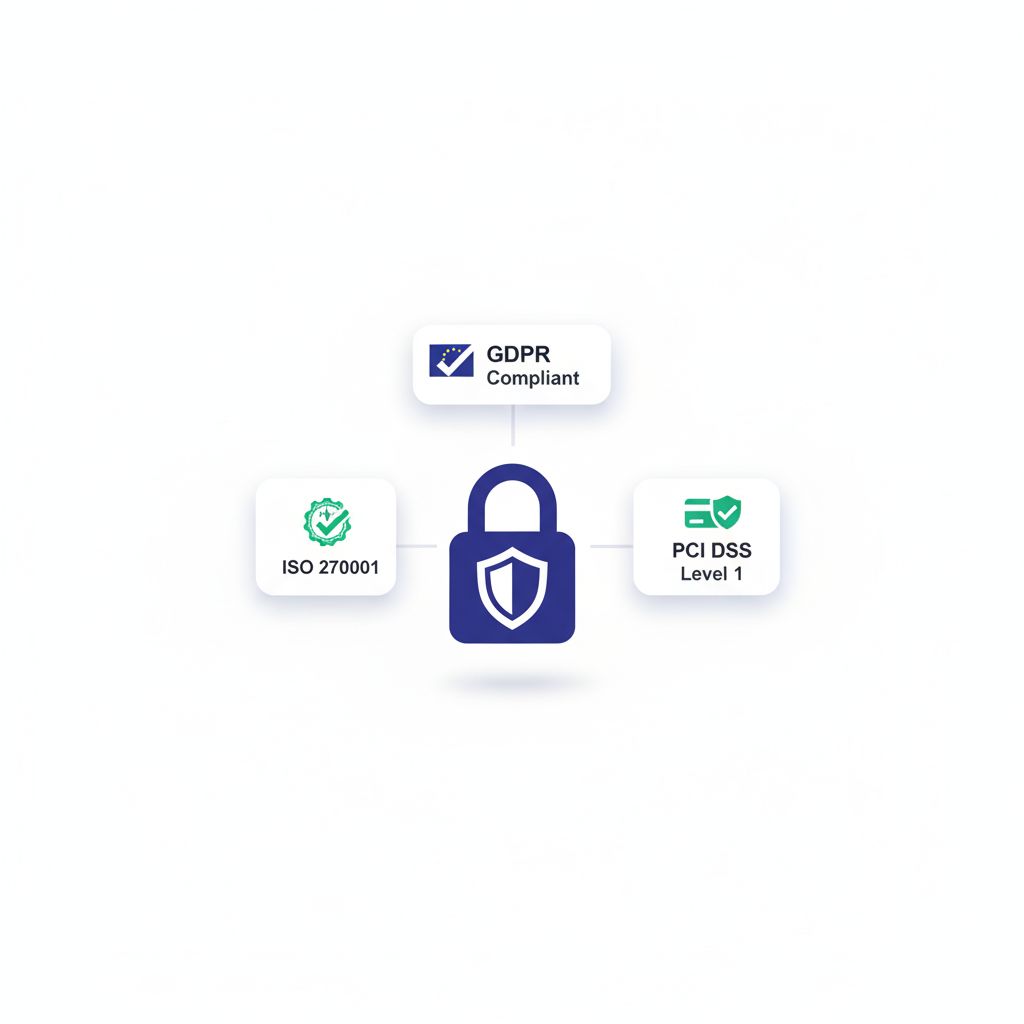
This data makes hotels prime targets for cybercriminals and subjects them to increasingly strict privacy regulations worldwide.
For QA (Quality Assurance) and compliance leaders, data privacy is no longer an IT-only concern. Operational practices at the front desk, in housekeeping, and throughout the guest journey either protect or expose sensitive data. This guide covers what you need to know and audit.
Understanding the Regulatory Landscape
GDPR: The Global Standard
The General Data Protection Regulation (GDPR), effective since May 2018, applies to:
- Any organization established in the EU
- Any organization processing personal data of EU residents, regardless of location
Key GDPR principles:
| Principle | Hotel Application |
|---|---|
| Lawfulness | Must have legal basis for each data use (consent, contract, legitimate interest) |
| Purpose limitation | Data collected for bookings cannot be used for unrelated marketing without consent |
| Data minimization | Collect only necessary data (do you really need passport copies?) |
| Accuracy | Keep guest profiles current, allow corrections |
| Storage limitation | Delete data when no longer needed |
| Integrity and confidentiality | Technical and organizational security measures |
| Accountability | Document compliance, prove it when asked |
Guest rights under GDPR:
- Right to know what data you hold (access request)
- Right to correction of inaccurate data
- Right to deletion (“right to be forgotten”)
- Right to data portability (receive data in usable format)
- Right to object to processing
- Right to withdraw consent
Pro Tip from the Floor: “We get 3-5 GDPR data access requests per month now. If you cannot fulfill them within 30 days, you are non-compliant. We built a workflow that routes requests immediately to both IT and operations—because the data lives in both places.” — Privacy Officer, European hotel group
PCI DSS: Protecting Card Data
The Payment Card Industry Data Security Standard (PCI DSS) applies to any organization that stores, processes, or transmits cardholder data. Version 4.0, released in 2022, introduces new requirements phasing in through March 2025.
PCI DSS Core Requirements:
| Requirement | Hotel Application |
|---|---|
| 1. Network security | Firewalls, network segmentation |
| 2. Secure configurations | Change default passwords, remove unnecessary services |
| 3. Protect stored data | Encryption, access controls, retention limits |
| 4. Encrypt transmission | TLS/SSL for all card data in transit |
| 5. Malware protection | Antivirus on all systems |
| 6. Secure systems | Patch management, secure development |
| 7. Access control | Limit who can access card data |
| 8. Authentication | Strong passwords, multi-factor authentication |
| 9. Physical security | Secure card-present environments |
| 10. Logging and monitoring | Track access to card data |
| 11. Security testing | Regular vulnerability scans, penetration tests |
| 12. Security policies | Documented policies, training |
Hotel-specific PCI considerations:
- PMS (Property Management System) storing card data
- Payment terminals at front desk, F&B outlets, spa
- Pre-authorization and deposit handling
- Fax and email card data (prohibited)
- Paper registration cards with card numbers
CCPA/CPRA: California Consumer Privacy
The California Consumer Privacy Act (CCPA), enhanced by CPRA (California Privacy Rights Act) effective 2023, applies to businesses that:
- Have gross revenues over $25 million, OR
- Buy, sell, or share personal information of 100,000+ California residents, OR
- Derive 50%+ of revenue from selling personal information
Key CCPA/CPRA requirements:
- Disclose data collection practices at or before collection
- Honor opt-out requests for sale/sharing of personal information
- Provide data access and deletion upon request
- Implement reasonable security measures
Hotels serving California residents (which includes many US and international properties) must comply.
Other Jurisdictions
UK GDPR: Post-Brexit UK retained GDPR with minor modifications. EU and UK data protection authorities enforce independently.
LGPD (Brazil): Similar to GDPR, applies to processing of Brazilian residents’ data.
POPIA (South Africa): Comprehensive data protection law effective 2021.
China PIPL: Personal Information Protection Law (2021) with strict requirements including data localization.
Operational Data Privacy Audit
Front Desk Operations
The front desk is the primary data collection point and highest-risk area for privacy violations.
Physical security audit:
- Registration cards stored securely (locked drawer or immediately digitized)
- Computer screens positioned away from guest view
- Guest folio not visible to other guests
- ID/passport returned immediately after verification
- No guest information left visible on counters
Process audit:
- Staff trained on acceptable ID handling (no photocopies unless required by law)
- Credit card information never written on paper
- Pre-registration emails do not expose other guests’ data
- Phone calls verify caller identity before disclosing reservation details
- Printed reports (arrivals, departures) secured or shredded
Technology audit:
- PMS access requires individual login (no shared accounts)
- Screen timeout activates within 5 minutes
- Mobile devices used for check-in are encrypted and password-protected
- Guest signatures captured digitally where possible
Pro Tip from the Floor: “We removed physical registration cards entirely. Everything is digital, captured on tablets, encrypted immediately. Paper was our biggest liability—we found old reg cards with credit card numbers in storage rooms during renovation.” — Front Office Manager, Urban hotel
Reservations and Sales
Reservations handle data before arrival, often via multiple channels.
Channel management audit:
- Third-party booking channels (OTAs) have data processing agreements
- Channel manager encrypts data in transit
- Reservation confirmations do not expose full card numbers
- Group rooming lists stored and transmitted securely
- Rate negotiations do not include guest personal data in emails
Email and communication audit:
- Marketing emails include unsubscribe option
- Consent captured before adding guests to marketing lists
- Guest communication uses secure channels for sensitive data
- No credit card numbers transmitted via email (ever)
Housekeeping and Back of House
Privacy risks extend beyond the front desk.
Housekeeping audit:
- Lost and found procedures protect guest item information
- Guest Do Not Disturb / privacy requests documented and honored
- Housekeeping reports do not expose guest names unnecessarily
- Discarded guest documents shredded, not placed in regular trash
Maintenance and engineering audit:
- Access to guest rooms documented (entry logs)
- Work orders do not expose guest names in public areas
- Security camera footage stored securely with access controls
IT and Systems
Technical controls underpin all operational compliance.
Access control audit:
- Individual accounts for all users (no shared logins)
- Role-based access (front desk cannot access HR data)
- Terminated employee access removed within 24 hours
- Privileged access reviewed quarterly
- Multi-factor authentication for sensitive systems
Data storage audit:
- Guest data encrypted at rest
- Backups encrypted and stored securely
- Data retention schedules implemented (automatic deletion)
- Storage locations documented (where does guest data live?)
Network security audit:
- Guest WiFi segregated from operational network
- POS (Point of Sale) systems on isolated network segment
- Firewall rules reviewed quarterly
- Intrusion detection/prevention active and monitored
PCI DSS Hotel Checklist
Cardholder Data Environment
Define and document:
- All systems that store, process, or transmit card data identified
- Network diagram showing card data flows
- Data flow diagram showing how card data moves
- Scope documented and reviewed annually
Storage requirements:
- Full card number never stored after authorization
- CVV/CVC never stored (ever, for any reason)
- Card data retention period defined and enforced
- Old card data securely deleted
Transmission requirements:
- All card data encrypted in transit (TLS 1.2 or higher)
- No card data via fax (eliminate this practice)
- No card data via email (eliminate this practice)
- Wireless transmissions encrypted
Physical Payment Security
Terminal security:
- Terminals inspected regularly for tampering
- Serial numbers documented and verified
- Terminals not left unattended with cards
- Skimmer detection training provided to staff
Paper handling:
- No full card numbers written on paper
- If paper receipts exist, secured immediately
- Cross-cut shredding for any paper with card data
- Merchant copy receipts show only last 4 digits
Compliance Validation
Assessment requirements (based on transaction volume):
| Level | Annual Transactions | Requirement |
|---|---|---|
| 1 | 6+ million | Annual on-site assessment by QSA |
| 2 | 1-6 million | Annual SAQ, quarterly network scan |
| 3 | 20,000-1 million e-commerce | Annual SAQ, quarterly network scan |
| 4 | <20,000 e-commerce or <1 million total | Annual SAQ, quarterly network scan |
Most individual hotels are Level 3 or 4. Hotel companies processing aggregate transactions may be Level 1 or 2.
Pro Tip from the Floor: “We failed our first PCI scan because of the front desk printers. They had network connectivity for convenience, but that put them in scope. We moved them to an isolated network and passed immediately. Know your scope.” — IT Security Manager, Resort chain
Incident Response Preparedness
Data Breach Response Plan
Every hotel needs a documented response plan:
Response team roles:
- Incident commander (usually GM or senior leader)
- IT lead (technical investigation and containment)
- Legal/compliance lead (regulatory requirements)
- Communications lead (guest and media communication)
- Operations lead (business continuity)
Response phases:
-
Detection and reporting (immediate)
- Recognize potential breach
- Report through defined channels
- Preserve evidence
-
Containment (first 24 hours)
- Isolate affected systems
- Stop ongoing data loss
- Document actions taken
-
Investigation (24-72 hours)
- Determine scope and nature of breach
- Identify affected individuals
- Determine regulatory notification requirements
-
Notification (per regulatory requirements)
- GDPR: 72 hours to supervisory authority
- PCI: Immediate to acquiring bank
- State laws: Vary (some require 24-48 hours)
- Affected individuals: Per regulatory requirement
-
Recovery and remediation
- Restore systems securely
- Address root cause
- Implement additional controls
-
Post-incident review
- Document lessons learned
- Update policies and procedures
- Conduct follow-up training
Breach Notification Requirements
| Regulation | Notification Deadline | Who to Notify |
|---|---|---|
| GDPR | 72 hours | Supervisory authority (and affected individuals if high risk) |
| PCI DSS | Immediately | Acquiring bank, card brands |
| CCPA | Expeditiously | California residents |
| State laws | 24 hours to 90 days | Attorney general and/or affected individuals |
Training and Awareness
Required Training Topics
All staff:
- Recognizing personal data
- Basic privacy principles
- Reporting suspected incidents
- Guest data request procedures
Front desk and reservations:
- Proper ID handling
- Credit card security
- Phone verification procedures
- Access control and logout practices
IT staff:
- PCI DSS requirements in depth
- Incident response procedures
- Access management
- Encryption and key management
Management:
- Regulatory requirements overview
- Liability and consequences
- Response plan roles
- Reporting requirements
Training Documentation
- Training attendance records maintained
- Competency assessments documented
- Annual refresher training tracked
- Role-specific training verified
- New hire training before system access granted
Vendor and Third-Party Management
Hotels rely on numerous vendors with access to guest data.
Vendor Assessment Requirements
Before engagement:
- Data processing agreement (DPA) in place
- Security certifications verified (SOC 2, ISO 27001)
- PCI compliance validated (if handling card data)
- Sub-processor list documented
Ongoing monitoring:
- Annual security questionnaire
- Compliance certificate review
- Incident notification provisions confirmed
- Data deletion upon termination verified
Key Vendor Categories
| Vendor Type | Key Requirements |
|---|---|
| PMS provider | PCI compliance, encryption, access controls |
| Payment processor | PCI Level 1 certification |
| OTAs and booking channels | Data processing agreements, transmission security |
| Loyalty program | Marketing consent management, data sharing agreements |
| Cloud providers | Data location disclosure, encryption, access controls |
| WiFi provider | Network segmentation, logging capabilities |
Documentation and Record Keeping
Required Documentation
Policies:
- Data protection policy
- Information security policy
- Acceptable use policy
- Incident response policy
- Data retention policy
Records:
- Data inventory (what data, where stored, purpose)
- Lawful basis documentation
- Consent records
- Data subject request logs
- Incident logs
- Training records
- Vendor agreements
Technical documentation:
- Network diagrams
- Data flow diagrams
- Access control matrices
- Encryption implementation details
Retention Requirements
| Document Type | Retention Period |
|---|---|
| Guest reservation data | Varies by jurisdiction (typically 1-7 years) |
| Payment card data | Delete immediately after authorization |
| Training records | Duration of employment + 5 years |
| Incident reports | 7+ years |
| Consent records | Duration of consent + 3 years |
| Data subject requests | 3 years from resolution |
Building Audit-Ready Compliance
Monthly Reviews
- Access control changes reviewed
- Terminated employee access verified removed
- Incident log reviewed
- Vendor compliance status checked
- Training completion rates verified
Quarterly Reviews
- Policy review and updates
- Vulnerability scan results reviewed
- Data retention enforcement verified
- Vendor security questionnaires collected
- Penetration test (annually) or vulnerability assessment
Annual Activities
- Comprehensive privacy impact assessment
- PCI DSS validation (SAQ or assessment)
- Full policy review and update
- Third-party audit of high-risk areas
- Incident response tabletop exercise
- Board/executive privacy briefing
Pro Tip from the Floor: “We treat data privacy like we treat fire safety—regular drills, visible commitment, everyone trained. When the regulator came for an audit, they were impressed not by our policies but by the fact that housekeeping staff could explain guest privacy procedures.” — Director of Compliance, International hotel group
Conclusion: Privacy as Operational Excellence
Data privacy compliance is not a one-time project. It is an ongoing operational discipline that touches every department, every interaction, every system.
Hotels that build privacy into their culture:
- Avoid devastating fines and breaches
- Build guest trust and loyalty
- Differentiate in an era of privacy awareness
- Reduce legal and financial risk
- Create operational clarity around data handling
The regulations will only tighten. Guest expectations for privacy will only grow. Hotels that invest now in compliance infrastructure and culture will be prepared; those that delay will face increasingly expensive and disruptive catch-up.
Ready to build comprehensive data privacy auditing into your quality program? See how HAS tracks compliance across regulatory frameworks →
Related Resources

About the Author
Orvia Team
Hotel Audit Experts
The Orvia team brings decades of combined experience in hospitality operations, quality assurance, and technology. We're passionate about helping hotels maintain exceptional standards.