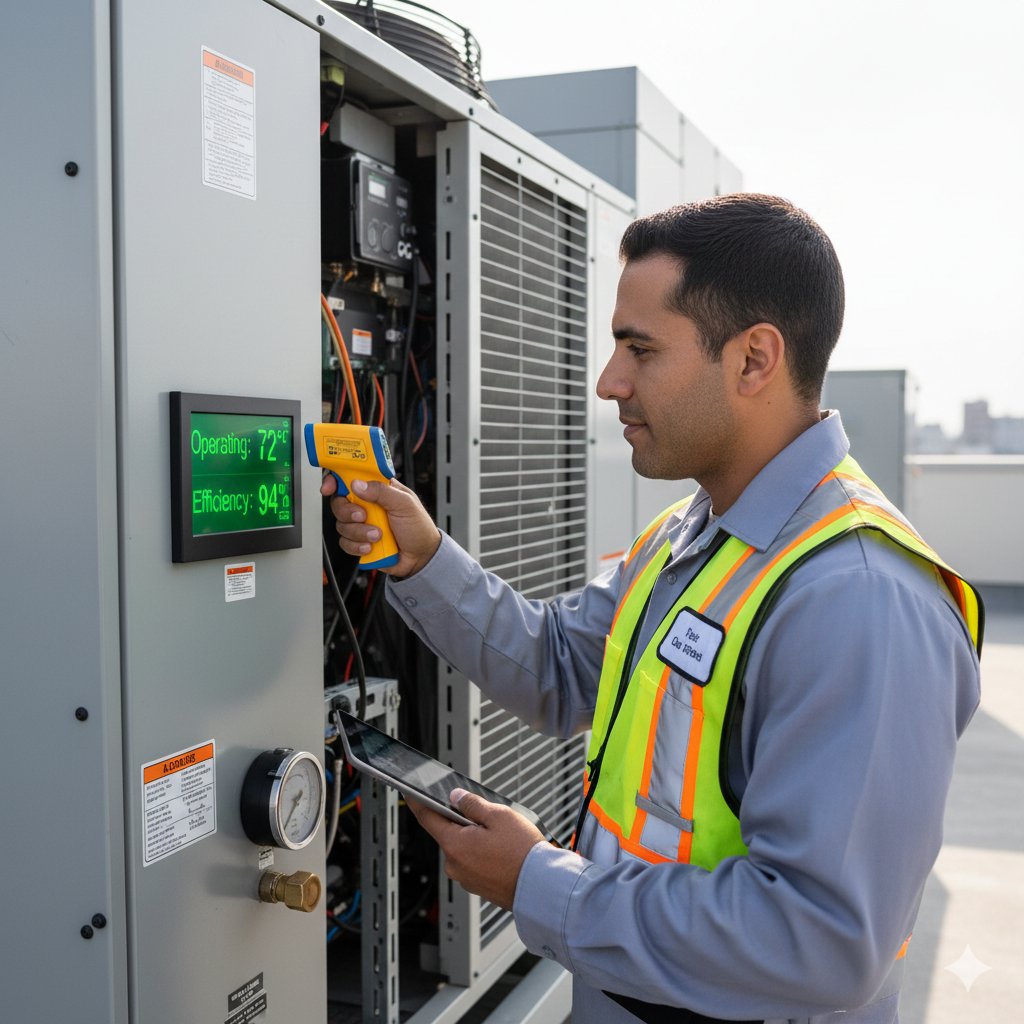
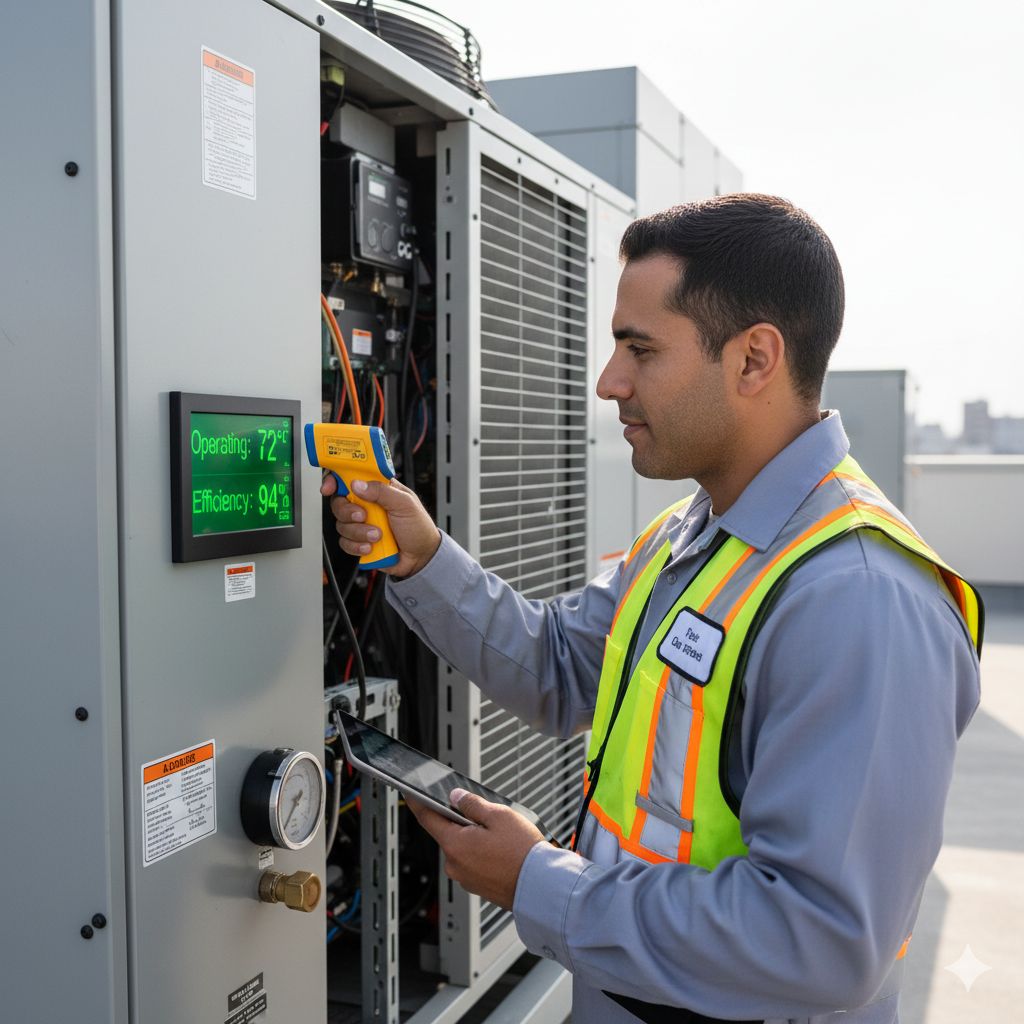
Why Maintenance Audits Are Operational Insurance
A single HVAC failure on a 95-degree summer day can render 20 guest rooms unbookable, cost thousands in emergency repairs, and generate a flood of negative reviews. Preventive maintenance audits are the operational insurance that protects hotels from these cascading failures.
Preventive Maintenance (PM) is the practice of regularly scheduled inspections, servicing, and repairs of equipment and facilities to prevent breakdowns before they occur.
Industry data shows that every dollar invested in preventive maintenance saves four to six dollars in emergency repairs and lost revenue. Yet many hotels still operate reactively—fixing problems only after they disrupt guest experiences.
Pro Tip from the Floor: “We track every PM task completion rate monthly. When our HVAC filter change compliance dropped from 95% to 80%, we saw a 30% increase in guest complaints about room temperature. The data does not lie.” — Robert Mitchell, Director of Engineering, Full-Service Hotel
This guide provides a comprehensive maintenance audit framework covering HVAC systems, elevators, boilers, fire safety systems, electrical infrastructure, and plumbing—the critical assets that determine whether your hotel operates smoothly or suffers costly disruptions.
The True Cost of Deferred Maintenance
Financial Impact
Deferred maintenance creates a compounding cost burden:
- Emergency repairs cost 3-5x more than scheduled maintenance due to overtime labor, expedited parts shipping, and guest compensation.
- Equipment lifespan decreases by 20-40% when preventive maintenance is skipped.
- Energy costs increase by 10-25% when HVAC systems, boilers, and chillers operate without regular maintenance.
- Guest satisfaction scores drop 15-30 points when maintenance issues impact room comfort or safety.
Example: The Real Cost of Skipping HVAC Filter Changes
| Scenario | PM Completed | PM Skipped |
|---|---|---|
| Filter Change Cost | $25 per unit | $0 |
| Labor Cost | 15 minutes | 0 minutes |
| Energy Efficiency | 100% airflow | 60-70% airflow |
| Result | Normal operation | Compressor failure |
| Emergency Repair | $0 | $1,200-$3,500 |
| Lost Room Revenue | $0 | $400-$800 (2-4 nights) |
| Guest Compensation | $0 | $150-$300 |
| Negative Reviews | 0 | 2-5 reviews |
| Total Cost | $25 | $1,750-$4,600 |
Pro Tip from the Floor: “I show new GMs this chart during onboarding. When they see a $25 filter change can prevent a $3,000 failure, maintenance budget approvals speed up by 90%.” — Lisa Chen, Regional Operations Director, Hotel Management Company
Building Your Hotel Maintenance Audit Program
Step 1: Asset Inventory and Classification
Begin by cataloging every critical asset in your property.
| Asset Category | Examples | Criticality | Failure Impact |
|---|---|---|---|
| Life Safety | Fire alarms, sprinklers, emergency lighting, egress doors | Critical | Regulatory shutdown, liability |
| Guest Comfort | HVAC, elevators, hot water, lighting | High | Lost revenue, negative reviews |
| Revenue Systems | POS, booking systems, Wi-Fi, card readers | High | Direct revenue loss |
| Infrastructure | Boilers, chillers, electrical panels, plumbing | High | Property-wide disruption |
| Aesthetic | Paint, carpet, furniture, landscaping | Medium | Gradual brand erosion |
For each asset, document:
- Manufacturer, model, serial number
- Installation date and expected lifespan
- Warranty status and service contracts
- OEM (Original Equipment Manufacturer) recommended maintenance intervals
- Current condition and performance
Pro Tip from the Floor: “We use QR codes on every major asset. Scan the code, and maintenance staff instantly see the service history, last PM date, and upcoming tasks. It eliminated the ‘I didn’t know that was due’ excuse.” — Marcus Johnson, Chief Engineer, Airport Hotel
Step 2: Establish Maintenance Frequencies
Organize tasks by frequency to ensure nothing falls through the cracks.
| Frequency | Task Examples | Responsibility |
|---|---|---|
| Daily | Visual HVAC checks, elevator operation tests, boiler readings | Engineering staff |
| Weekly | Filter inspections, pump checks, emergency lighting tests | Engineering staff |
| Monthly | Deep equipment inspections, belt replacements, system testing | Engineering + vendors |
| Quarterly | Comprehensive audits, seasonal prep, major cleaning | Engineering + vendors |
| Annually | Full system recertification, deep overhauls, regulatory inspections | Vendors + inspectors |
Comprehensive HVAC Maintenance Audit
HVAC (Heating, Ventilation, and Air Conditioning) systems are the single most critical asset for guest satisfaction. A properly maintained HVAC system operates 25-40% more efficiently and lasts 5-10 years longer than neglected systems.
HVAC System Components
Modern hotel HVAC systems consist of:
- Central air handlers (rooftop units or mechanical rooms)
- Chillers and boilers (for large properties)
- Fan coil units or PTACs (Packaged Terminal Air Conditioners) in individual guest rooms
- Ductwork and vents
- Thermostats and controls (HVAC automation systems)
Daily HVAC Audit Checklist
- Walk mechanical room and listen for unusual noises (grinding, squealing, banging)
- Verify chiller and boiler pressures are within normal range
- Check Building Management System (BMS) for alarms or alerts
- Respond to guest complaints about room temperature within 30 minutes
- Test a sample of guest room thermostats (5-10 rooms daily)
Pro Tip from the Floor: “We rotate which rooms we check daily. Over 30 days, we’ve tested every room’s HVAC at least once. Catches issues before guests complain.” — David Park, Maintenance Supervisor, Mid-Size Hotel
Weekly HVAC Audit Checklist
- Inspect filters on all air handlers and rooftop units (replace if dirty or clogged)
- Check condensate drain pans for clogs or overflow
- Verify belts for proper tension and wear (replace if frayed or cracked)
- Test emergency shutdown procedures on all units
- Lubricate motors and bearings per manufacturer specifications
- Inspect refrigerant lines for leaks or corrosion
Filter Replacement Guidelines:
- High-traffic areas (lobby, conference rooms): Every 30 days
- Guest rooms: Every 60 days
- Back-of-house areas: Every 90 days
- High-efficiency filters (MERV 13+): Check every 30 days, replace every 60-90 days
Monthly HVAC Audit Checklist
- Clean condenser and evaporator coils (dirty coils reduce efficiency by 20-30%)
- Calibrate all thermostats (ensure displayed temperature matches actual temperature)
- Test all dampers and actuators for proper operation
- Inspect ductwork for leaks, gaps, or damage
- Check electrical connections for tightness and corrosion
- Review energy usage reports (sudden spikes indicate system issues)
- Verify BMS automation schedules (setback temperatures, occupancy sensors)
Pro Tip from the Floor: “We clean coils monthly in coastal properties due to salt air. Inland properties can go quarterly. Geography matters—don’t blindly follow generic schedules.” — Sarah Lopez, Facilities Manager, Beachfront Resort
Quarterly HVAC Audit Checklist
- Perform refrigerant leak test and top off if needed (document EPA compliance)
- Deep clean all air handlers and rooftop units
- Inspect and clean all diffusers and return air grills
- Test emergency ventilation systems (smoke evacuation, makeup air)
- Replace worn belts and pulleys
- Lubricate all motors, bearings, and dampers
- Conduct thermal imaging scan to detect hot spots or leaks
Annual HVAC Audit Checklist
- Full system recalibration by certified technician
- Ductwork deep cleaning and sanitization
- Replace all worn components (belts, filters, bearings)
- Refrigerant system pressure test and EPA compliance documentation
- Energy audit comparing current usage to baseline
- Update HVAC automation sequences and controls
- Review warranty status and service contract renewals
Cost of HVAC Failure:
- Emergency chiller repair: $5,000-$15,000
- Lost room revenue (per unbookable room per night): $150-$400
- Guest compensation (per affected guest): $50-$200
- Negative review impact (reputation damage): Immeasurable
Cost of Preventive HVAC Maintenance:
- Quarterly service contract: $500-$1,500 per quarter
- Annual deep cleaning: $2,000-$5,000
- Filter replacements: $200-$800 per month
Return on Investment: For every $1 spent on HVAC PM, hotels save $4-$6 in emergency repairs and lost revenue.
Elevator Maintenance Audit
Elevators are regulated life-safety equipment requiring strict compliance with local codes (ASME A17.1 in the US, EN 81 in Europe, etc.). Elevator failures create immediate guest dissatisfaction and can result in regulatory fines or shutdown.
Daily Elevator Audit Checklist
- Ride each elevator and listen for unusual noises
- Test call buttons on all floors
- Verify door sensors operate correctly (test with obstruction)
- Check emergency phone functionality
- Ensure car lighting and ventilation fans operate
- Verify floor indicators display correctly
Pro Tip from the Floor: “Our bellmen ride elevators constantly. We trained them to report weird sounds immediately. They’ve caught issues days before guests would have noticed.” — Kevin O’Brien, Director of Engineering, High-Rise Hotel
Monthly Elevator Audit Checklist
- Inspect guide rails for lubrication and wear
- Test emergency stop button and alarm
- Check door tracks for debris or obstructions
- Verify hoistway doors lock properly
- Inspect ropes, sheaves, and pulleys for wear
- Test emergency lighting and backup power
- Review service logs from elevator contractor
Annual Elevator Audit and Certification
- Full inspection by licensed elevator inspector (required by law in most jurisdictions)
- Load capacity test
- Safety brake test
- Overspeed governor test
- Emergency evacuation drill
- Update elevator certificate and post in car
Elevator Maintenance Costs:
- Monthly service contract: $300-$800 per elevator
- Annual inspection and certification: $500-$1,500 per elevator
- Emergency entrapment response: $500-$2,000 per incident
Failure Impact:
- Guest dissatisfaction: Immediate negative reviews
- ADA compliance violation: If accessible elevator is out of service
- Regulatory fines: $500-$5,000 per uncertified elevator
Boiler and Hot Water System Audit
Hot water is a non-negotiable guest expectation. Boiler failures can leave entire properties without heat or hot water, resulting in mass guest relocations and revenue loss.
Weekly Boiler Audit Checklist
- Check water temperature and pressure gauges
- Inspect for leaks, corrosion, or unusual noises
- Test safety relief valves
- Verify combustion efficiency (flue gas analysis if equipped)
- Check fuel supply (natural gas, propane, oil)
- Inspect burner flame (should be blue, not yellow)
- Document readings in boiler log
Pro Tip from the Floor: “We test hot water in guest rooms weekly by running faucets at random. Temperature and pressure drops indicate boiler issues before they become emergencies.” — Angela Martinez, Engineering Manager, Boutique Hotel
Monthly Boiler Audit Checklist
- Clean or replace burner nozzles
- Inspect and clean heat exchanger tubes
- Test low-water cutoff safety device
- Verify blowdown procedures are followed (reduces sediment buildup)
- Check expansion tank pressure
- Inspect chimney and flue for blockages
- Review energy consumption data (sudden increases indicate inefficiency)
Annual Boiler Audit and Certification
- Full inspection by licensed boiler inspector (required by law)
- Hydrostatic pressure test
- Safety valve replacement or recalibration
- Combustion efficiency tuning
- Water treatment system check (prevents scale and corrosion)
- Update boiler operating certificate
Boiler Maintenance Costs:
- Monthly service contract: $200-$600
- Annual inspection: $500-$1,500
- Emergency repair (cracked heat exchanger): $5,000-$15,000
- Full boiler replacement: $10,000-$50,000
Failure Impact:
- Property-wide hot water loss: 100% guest dissatisfaction
- Guest relocation costs: $150-$400 per room per night
- Negative reviews: Immediate and widespread
Fire Safety and Life Safety Systems Audit
Fire safety systems are the most regulated assets in hospitality. Non-compliance results in immediate property shutdown, massive fines, and potential criminal liability.
Fire Safety Systems Overview
- Fire alarm panels: Central monitoring and control
- Smoke detectors: Early warning of fire
- Sprinkler systems: Active fire suppression
- Fire extinguishers: First-response tools
- Emergency lighting: Egress illumination during power loss
- Exit signage: Wayfinding during evacuation
Weekly Fire Safety Audit Checklist
- Test fire alarm panel (no active alarms or trouble signals)
- Verify emergency exit lights illuminate
- Check that exit doors open freely (no obstructions, no locking)
- Inspect fire extinguishers (charged, accessible, not blocked)
- Walk egress routes (stairwells, hallways, exits)
Pro Tip from the Floor: “We randomly test one smoke detector per week. Over a year, we’ve tested all 200+ detectors. Catches non-functional units before annual inspection.” — Thomas Rivera, Safety Manager, Mid-Rise Hotel
Monthly Fire Safety Audit Checklist
- Test emergency lighting battery backup (simulate power loss)
- Inspect sprinkler heads for obstructions, damage, or corrosion
- Check fire pump operation (weekly or monthly per local code)
- Verify fire alarm system communicates with monitoring company
- Inspect fire doors for proper closure and latching
- Test smoke control systems (if applicable)
Annual Fire Safety Audit and Certification
- Full fire alarm system test by licensed fire alarm contractor
- Annual sprinkler system inspection and flow test
- Fire extinguisher recertification or replacement
- Emergency lighting battery replacement (every 3-5 years)
- Fire drill with staff (twice annually in many jurisdictions)
- Update fire safety plan and evacuation maps
Fire Safety Compliance Costs:
- Monthly fire alarm monitoring: $50-$200
- Annual sprinkler inspection: $500-$2,000
- Annual fire alarm system test: $500-$1,500
- Fire extinguisher annual service: $10-$25 per unit
Non-Compliance Impact:
- Immediate property shutdown: 100% revenue loss
- Regulatory fines: $1,000-$50,000 per violation
- Criminal liability: Possible jail time for owners/GMs in case of fire-related injury or death
Electrical System Audit
Electrical failures cause property-wide outages, fire hazards, and guest safety risks. Regular audits prevent catastrophic failures.
Monthly Electrical Audit Checklist
- Inspect main electrical panels for corrosion, loose wires, or hot spots (use thermal imaging)
- Test GFCI outlets in bathrooms, kitchens, and outdoor areas
- Check emergency generator operation (run for 30 minutes under load)
- Verify UPS (Uninterruptible Power Supply) systems for POS and IT equipment
- Inspect exterior lighting (parking lots, walkways, signage)
- Test surge protectors and voltage regulators
Pro Tip from the Floor: “We use thermal cameras on electrical panels quarterly. Caught a breaker running 20 degrees hotter than normal—prevented a fire before it started.” — Patricia Lee, Facilities Director, Full-Service Hotel
Annual Electrical Audit and Testing
- Full electrical load study by licensed electrician
- Ground fault testing
- Emergency generator load bank test (full capacity test)
- Update electrical panel directory (ensure all breakers labeled correctly)
- Inspect and tighten all electrical connections
- Review energy consumption trends and identify inefficiencies
Electrical System Failure Costs:
- Emergency electrician callout: $500-$2,000
- Generator replacement: $10,000-$50,000
- Property-wide outage lost revenue: $5,000-$50,000 per day
- Fire caused by electrical fault: Catastrophic
Plumbing System Audit
Plumbing failures create immediate guest dissatisfaction, water damage, and potential health code violations.
Weekly Plumbing Audit Checklist
- Inspect guest bathrooms for leaks, slow drains, or low water pressure
- Check laundry room washers and dryers for leaks or clogs
- Test backflow preventers on irrigation systems
- Inspect water heaters for leaks or corrosion
- Check sump pumps in basements or mechanical rooms
Monthly Plumbing Audit Checklist
- Inspect all visible pipes for leaks, corrosion, or condensation
- Clean drain traps in kitchens and bars
- Test water pressure at multiple locations (should be 40-80 psi)
- Inspect toilets for running water (indicates flapper valve failure)
- Check water softener or filtration systems
Pro Tip from the Floor: “We place moisture sensors in all mechanical rooms and laundry areas. When a leak starts, we get an instant alert on our phones. Stopped thousands in water damage.” — Carlos Sanchez, Maintenance Director, Resort Property
Annual Plumbing Audit and Testing
- Full sewer line camera inspection (detect tree roots, collapses, blockages)
- Backflow preventer certification (required annually in most jurisdictions)
- Water heater flushing and anode rod replacement
- Water quality testing (especially for wells or older municipal systems)
- Pressure regulator calibration
- Inspect and replace worn faucet cartridges, valves, and seals
Plumbing Failure Costs:
- Emergency plumber callout: $300-$1,500
- Water damage remediation: $5,000-$50,000
- Guest relocation due to bathroom failure: $150-$400 per night
- Health code violation (sewage backup): Immediate closure risk
Creating a Master Preventive Maintenance Schedule
A Master PM Schedule is the backbone of a successful maintenance audit program. It ensures tasks are completed on time, nothing is overlooked, and accountability is clear.
Components of a Master PM Schedule
- Asset List: Every piece of equipment requiring maintenance
- Task Description: What needs to be done (e.g., “Replace HVAC filters on all rooftop units”)
- Frequency: Daily, weekly, monthly, quarterly, annually
- Responsible Party: Engineering staff, vendor, or contractor
- Estimated Time: How long the task takes (for labor planning)
- Last Completed Date: When the task was last finished
- Next Due Date: When the task is due next
Example Master PM Schedule (Excerpt)
| Asset | Task | Frequency | Responsible | Time | Last Completed | Next Due |
|---|---|---|---|---|---|---|
| Rooftop HVAC Unit #1 | Replace filters | Monthly | Engineering | 30 min | 12/15/2025 | 01/15/2026 |
| Elevator #1 | Full inspection | Annual | Vendor | 4 hours | 06/01/2025 | 06/01/2026 |
| Boiler #1 | Pressure test | Weekly | Engineering | 15 min | 01/20/2026 | 01/27/2026 |
| Fire Alarm Panel | System test | Monthly | Vendor | 2 hours | 01/05/2026 | 02/05/2026 |
Pro Tip from the Floor: “We color-code our PM schedule: Green for completed, yellow for due this week, red for overdue. The engineering team sees at a glance what needs attention.” — Gregory Foster, Regional Maintenance Manager, Hotel Portfolio
Digitizing Maintenance Audits: The Future of PM
Paper-based PM schedules and audit checklists are error-prone, difficult to track, and impossible to scale across multiple properties. Modern hospitality operations are transitioning to digital maintenance management systems.
Benefits of Digital Maintenance Audit Systems
- Automated reminders: Staff receive alerts when PM tasks are due
- Photo documentation: Capture equipment condition and maintenance work
- Real-time reporting: Management sees PM completion rates instantly
- Vendor integration: Assign tasks to contractors and track completion
- Centralized data: Multi-property operations compare maintenance performance
- Regulatory compliance: Audit-ready logs for inspections and certifications
HAS (Hotel Audit System) provides offline-first preventive maintenance audits that sync automatically when internet is available. Engineering teams can conduct PM audits on tablets or mobile devices, even in mechanical rooms with no WiFi.
Request a demo to see how HAS streamlines maintenance audits with automated schedules, real-time corrective actions, and multi-property reporting.
Outsourcing vs. In-House Maintenance: What to Keep Internal
Outsource These Tasks
- Elevator inspections and certifications (licensed contractors required)
- Fire alarm system testing (specialized equipment needed)
- HVAC refrigerant work (EPA-certified technicians required)
- Boiler certifications (licensed inspectors required)
- Deep ductwork cleaning (specialized equipment)
Keep In-House
- Daily and weekly PM tasks (HVAC filter changes, visual inspections)
- Guest room repairs (plumbing, electrical, HVAC)
- Emergency response (24/7 availability)
- Preventive maintenance that requires property-specific knowledge
Pro Tip from the Floor: “We outsource compliance-driven tasks but keep rapid-response tasks in-house. Guests don’t care that the elevator contractor is coming tomorrow—they want the A/C fixed now.” — Michael Tran, Director of Engineering, Business Hotel
Tracking Maintenance KPIs: Measuring Success
Key Performance Indicators (KPIs) help management assess the effectiveness of preventive maintenance programs.
Essential Maintenance KPIs
| KPI | Target | What It Measures |
|---|---|---|
| PM Completion Rate | 95%+ | Percentage of scheduled PM tasks completed on time |
| Emergency Work Orders | <10% of total | Percentage of work orders classified as emergency (lower is better) |
| Mean Time to Repair (MTTR) | <2 hours | Average time to resolve guest-facing issues |
| Equipment Uptime | 99%+ | Percentage of time critical assets are operational |
| Maintenance Cost per Room | $200-$500/year | Total maintenance spending divided by room count |
| Guest Complaints (Maintenance) | <5% of guests | Percentage of guests reporting maintenance issues |
Pro Tip from the Floor: “We post KPIs in the engineering office every month. When the team sees PM completion at 98%, they take pride in it. Accountability drives performance.” — Sandra Kim, VP of Operations, Hotel Management Company
Seasonal Maintenance: Preparing for Extreme Weather
Winter Preparation (November-December)
- Test heating systems at full capacity
- Inspect boilers and hot water heaters
- Winterize outdoor plumbing (freeze protection)
- Test snow removal equipment
- Inspect roof for leaks before snow load
- Seal doors and windows to prevent drafts
Summer Preparation (April-May)
- Test cooling systems at full capacity
- Clean HVAC condenser coils
- Inspect and service pool/spa equipment
- Test irrigation systems
- Inspect roof for storm damage
- Prepare backup generators for storm season
Pro Tip from the Floor: “We run summer and winter prep checklists 60 days before peak season. It gives us time to order parts and schedule vendor work before the rush.” — Elena Rodriguez, Facilities Manager, Ski Resort
Conclusion: Preventive Maintenance Is Operational Excellence
Maintenance audits are not just about compliance—they are about protecting guest satisfaction, maximizing asset lifespan, and ensuring operational efficiency. A comprehensive PM program covering HVAC, elevators, boilers, fire safety, electrical, and plumbing systems prevents costly emergencies and preserves brand reputation.
Key Takeaways:
- Preventive maintenance saves 4-6x the cost of emergency repairs
- HVAC, elevators, and fire safety systems are the highest-priority assets
- Digital maintenance systems improve compliance and multi-property reporting
- PM completion rates above 95% are the gold standard
- Seasonal preparation prevents weather-related failures
Ready to digitize your maintenance audit program? Request a demo to see how HAS simplifies preventive maintenance with automated schedules, real-time corrective actions, and regulatory-ready reporting.
Related Resources
- Multi-Property Audit Consistency: Standardizing PM Across Locations
- Energy Efficiency Audits: Reducing Utility Costs Through Maintenance
- Life Safety Audits: Fire, ADA, and Regulatory Compliance
Published January 26, 2026 | Updated regularly to reflect current maintenance best practices

About the Author
Orvia Team
Hotel Audit Experts
The Orvia team brings decades of combined experience in hospitality operations, quality assurance, and technology. We're passionate about helping hotels maintain exceptional standards.