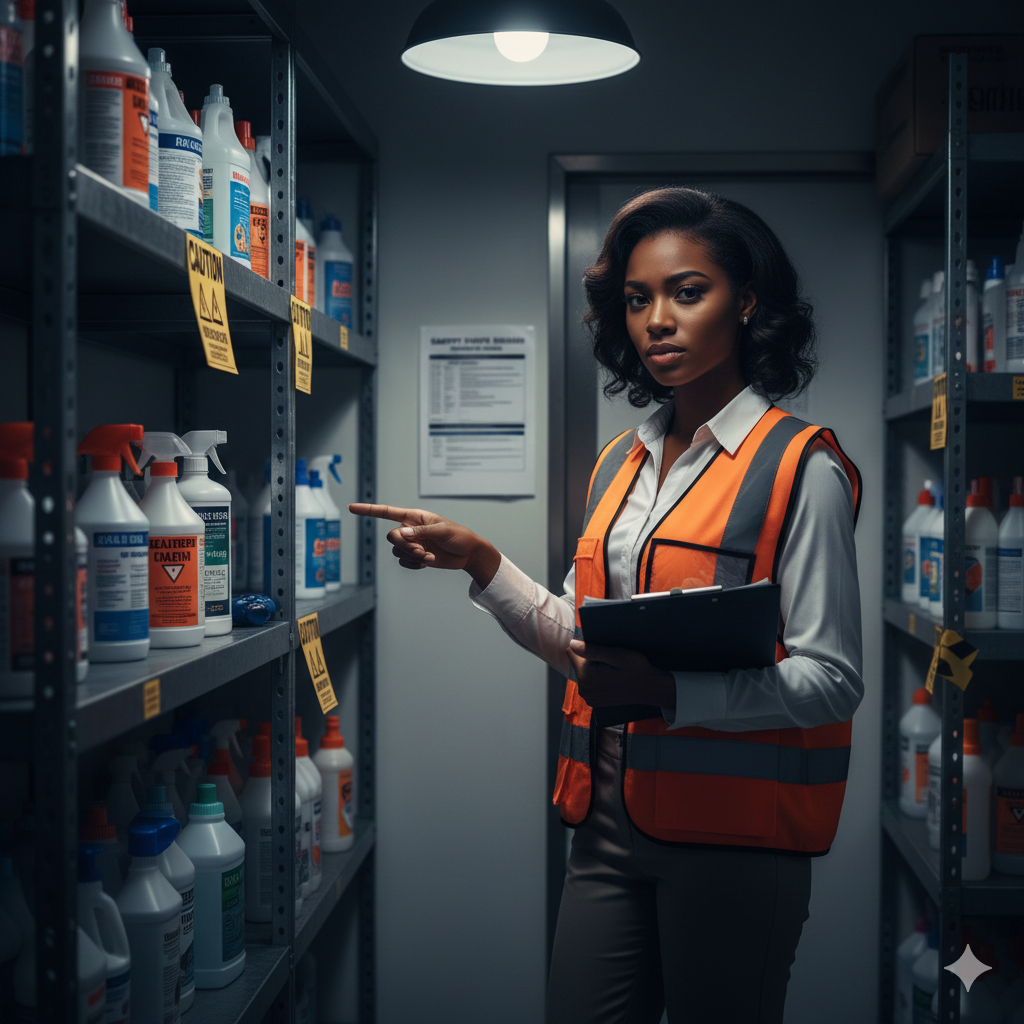
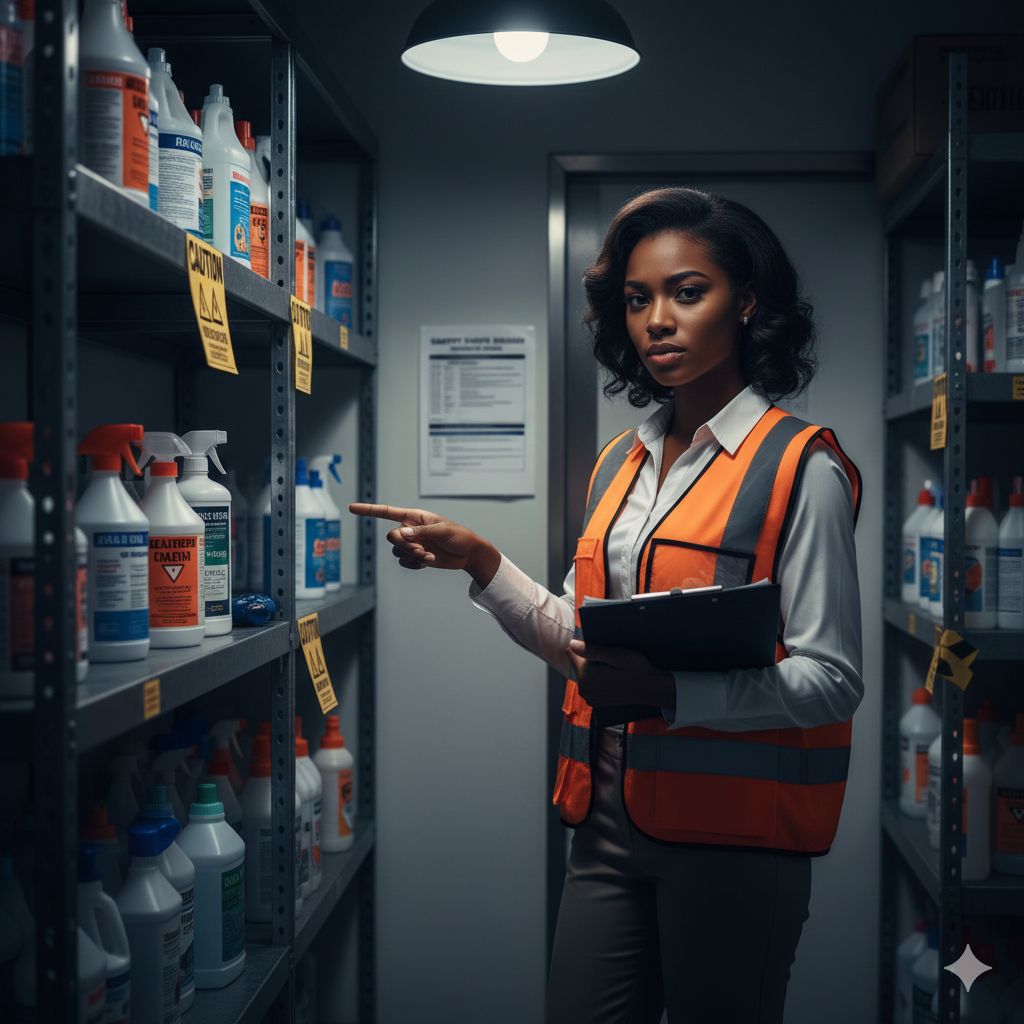
A single OSHA violation can cost your hotel up to $16,550. A willful or repeated violation can cost $165,514—per violation. And violations rarely come alone.
Beyond fines, workplace injuries disrupt operations, increase insurance premiums, damage employee morale, and create legal liability. The good news: most hotel OSHA violations are preventable with proper systems, training, and documentation.
This guide covers the OSHA requirements most relevant to hotel operations, with specific compliance checklists, documentation requirements, and practical implementation guidance.
OSHA Standards That Apply to Hotels
Hotels are subject to general industry standards (29 CFR 1910) and, for properties undergoing construction or renovation, construction standards (29 CFR 1926). Key applicable standards include:
| Standard | Coverage | Hotel Application |
|---|---|---|
| Hazard Communication (HazCom) | Chemical safety | Cleaning supplies, pool chemicals, maintenance |
| Walking-Working Surfaces | Slips, trips, falls | Wet floors, stairs, loading docks |
| Personal Protective Equipment | PPE requirements | Housekeeping, kitchen, maintenance |
| Bloodborne Pathogens | Blood/infectious material | Housekeeping, security, first aid |
| Electrical Safety | Electrical hazards | Maintenance, guest areas |
| Fire Safety | Emergency action plans | All areas |
| Lockout/Tagout | Equipment safety | Maintenance, laundry |
| Recordkeeping | Injury/illness logging | All operations |
| Ergonomics | Musculoskeletal hazards | Housekeeping (state-specific) |
Key Compliance Area #1: Hazard Communication (HazCom)
What It Requires
The Hazard Communication Standard (29 CFR 1910.1200) ensures employees understand chemical hazards in the workplace. Hotels use numerous chemicals: cleaning agents, disinfectants, pool chemicals, kitchen degreasers, laundry detergents, and maintenance supplies.
Compliance Checklist
| Requirement | Action | Documentation |
|---|---|---|
| Written HazCom program | Develop site-specific program | Program document |
| Chemical inventory | List all chemicals on site | Updated inventory list |
| Safety Data Sheets (SDS) | Obtain SDS for every chemical | SDS binder (physical or digital) |
| SDS accessibility | Available to employees 24/7 | Posted location or digital access |
| Container labeling | All containers labeled per GHS | Visual inspection records |
| Employee training | Initial + annual refresher | Signed training records |
Common Hotel HazCom Violations
- Missing SDS — Chemicals purchased without obtaining SDS
- Unmarked secondary containers — Spray bottles without labels
- Inaccessible SDS — Binder locked in manager’s office
- No training documentation — Training happened but no records
- Outdated inventory — New products not added to list
Pro Tip from the Floor: Create a simple process: no chemical enters the property until its SDS is on file. Assign one person to manage the chemical inventory—usually the chief engineer or housekeeping manager.
Key Compliance Area #2: Walking-Working Surfaces (Slips, Trips, Falls)
What It Requires
29 CFR 1910 Subpart D addresses hazards from walking surfaces, stairs, ladders, and fall protection. Hotels have significant exposure: wet lobbies, slippery pool decks, stairs, and elevated work surfaces.
Compliance Checklist
| Requirement | Action | Documentation |
|---|---|---|
| Floor condition | Keep floors clean, dry, free of hazards | Inspection logs |
| Wet floor signage | Post signs immediately | Signage inventory |
| Stair safety | Handrails, adequate lighting, non-slip | Inspection records |
| Ladder safety | Inspect before use, proper use training | Training records |
| Elevated work | Fall protection above 4 feet (1.2 m) | Equipment inspection |
| Loading dock | Edge protection, adequate lighting | Inspection logs |
| Outdoor areas | Ice/snow removal, adequate drainage | Maintenance logs |
High-Risk Areas in Hotels
| Area | Primary Hazard | Prevention |
|---|---|---|
| Lobby entrances | Wet floors from weather | Mats, signage, frequent mopping |
| Pool deck | Wet, slippery surfaces | Non-slip coatings, signage |
| Kitchen | Grease, spills, wet floors | Immediate cleanup, non-slip mats |
| Laundry | Water, detergent spills | Drainage, non-slip flooring |
| Loading dock | Elevation, weather exposure | Edge protection, lighting |
| Back-of-house stairs | Speed, carrying items | Handrails, lighting, no storage |
Key Compliance Area #3: Personal Protective Equipment (PPE)
What It Requires
29 CFR 1910 Subpart I requires employers to provide and ensure use of appropriate PPE when hazards cannot be eliminated through engineering controls.
Hotel PPE Requirements by Role
| Role | Typical Hazards | Required PPE |
|---|---|---|
| Housekeeping | Chemicals, bloodborne pathogens | Gloves, eye protection when mixing |
| Kitchen | Burns, cuts, chemicals | Heat-resistant gloves, cut gloves, aprons |
| Maintenance | Electrical, mechanical, chemicals | Varies by task—gloves, safety glasses, hearing protection |
| Laundry | Heat, chemicals, noise | Heat-resistant gloves, hearing protection |
| Pool | Chemicals | Chemical-resistant gloves, eye protection |
| Security | Bloodborne pathogens | Gloves for first response |
Compliance Checklist
| Requirement | Action | Documentation |
|---|---|---|
| Hazard assessment | Identify PPE needs by task | Written assessment |
| PPE selection | Choose appropriate PPE | Selection documentation |
| Proper fit | Ensure PPE fits each employee | Fit verification |
| Training | How to use, maintain, dispose | Training records |
| Inspection | Regular condition checks | Inspection logs |
| Replacement | Replace worn/damaged PPE | Inventory tracking |
Key Compliance Area #4: Bloodborne Pathogens
What It Requires
29 CFR 1910.1030 protects employees who may be exposed to blood or other potentially infectious materials. In hotels, this applies to housekeeping (handling soiled linens, cleaning bathrooms), security (responding to incidents), and anyone providing first aid.
Compliance Checklist
| Requirement | Action | Documentation |
|---|---|---|
| Exposure Control Plan | Written plan for exposed roles | Plan document |
| Universal precautions training | Treat all blood as infectious | Training records |
| PPE availability | Gloves accessible for exposed roles | Inventory |
| Engineering controls | Sharps containers where needed | Inspection logs |
| Hepatitis B vaccination | Offer to at-risk employees | Declination forms if refused |
| Post-exposure procedures | Protocol for needle sticks, etc. | Written procedure |
| Recordkeeping | Medical records for exposed employees | Confidential files |
Hotel-Specific Applications
- Housekeeping: Handling linens with blood, cleaning bathrooms, disposing of sharps left by guests
- Security: Responding to altercations, medical emergencies
- Front desk: First aid response
- Maintenance: Cleaning up blood spills, handling medical waste
Key Compliance Area #5: Ergonomics (Musculoskeletal Injury Prevention)
What It Requires
While federal OSHA does not have a specific ergonomics standard, the General Duty Clause (Section 5(a)(1)) requires employers to provide a workplace free from recognized hazards. Some states, notably California, have hotel-specific ergonomics standards.
California Hotel Housekeeping Standard (Cal/OSHA 3345)
California implemented the first ergonomic standard specifically for hotel housekeepers, requiring:
| Requirement | Details |
|---|---|
| Worksite evaluation | Identify musculoskeletal hazards |
| Hazard correction | Implement controls within timely manner |
| Training | Ergonomics hazards, safe work practices |
| Injury investigation | Root cause analysis of MSD injuries |
| Workload limits | Reasonable room quotas considering difficulty |
| Equipment | Provide ergonomic tools (lightweight vacuums, long-handled tools) |
Common Hotel Ergonomic Hazards
| Task | Hazard | Control Measures |
|---|---|---|
| Bed making | Repetitive reaching, lifting | Fitted sheets, two-person team for heavy beds |
| Vacuuming | Pushing, repetitive motion | Lightweight vacuums, proper technique |
| Bathroom cleaning | Bending, kneeling, reaching | Long-handled tools, knee pads |
| Lifting mattresses | Heavy lifting | Two-person lift, lifting aids |
| Pushing carts | Load weight, distance | Cart maintenance, route optimization |
| Kitchen prep | Repetitive cutting, standing | Anti-fatigue mats, task rotation |
Pro Tip from the Floor: Track musculoskeletal injuries by task type. If you see a pattern (e.g., back injuries during mattress lifting), that is your priority for intervention. Data drives effective ergonomic programs.
Key Compliance Area #6: Fire Safety and Emergency Action Plans
What It Requires
29 CFR 1910.38 requires written emergency action plans for certain employers. Hotels should have comprehensive plans regardless of technical requirements.
Compliance Checklist
| Requirement | Action | Documentation |
|---|---|---|
| Emergency Action Plan (EAP) | Written plan covering emergencies | Plan document |
| Fire Prevention Plan | Housekeeping, heat sources, electrical | Plan document |
| Alarm system | Distinctive signal, audible throughout | Inspection records |
| Evacuation routes | Posted, unobstructed, lit | Inspection logs |
| Assembly areas | Designated, communicated | Training materials |
| Employee training | Initial + annual refresher | Training records |
| Drills | Regular practice evacuations | Drill documentation |
| Fire extinguisher training | For designated employees | Training records |
(See also: Hotel Fire Safety Audit Checklist for detailed fire safety requirements.)
Key Compliance Area #7: Recordkeeping and Reporting
What It Requires
29 CFR 1904 requires employers with 10+ employees to maintain records of work-related injuries and illnesses. Hotels must also report severe injuries to OSHA.
Required Records
| Record | Description | Retention |
|---|---|---|
| OSHA 300 Log | Log of all recordable injuries/illnesses | 5 years |
| OSHA 300A Summary | Annual summary (posted Feb 1 - April 30) | 5 years |
| OSHA 301 Forms | Individual incident reports | 5 years |
Reporting Requirements
| Event | Reporting Deadline |
|---|---|
| Work-related fatality | Within 8 hours |
| Work-related hospitalization | Within 24 hours |
| Work-related amputation | Within 24 hours |
| Work-related loss of eye | Within 24 hours |
Electronic Recordkeeping (2024 Update)
OSHA now requires electronic submission of injury and illness data for larger establishments. Hotels with 100+ employees in high-hazard industries (which may include food service) must submit annually.
Pro Tip from the Floor: Designate one person as the OSHA recordkeeper. This person receives all injury reports, determines recordability, and maintains logs. Inconsistent recordkeeping is a common citation during inspections.
OSHA Penalty Structure (2026)
Understanding the financial risk helps prioritize compliance:
| Violation Type | Maximum Penalty |
|---|---|
| Serious | $16,550 per violation |
| Other-Than-Serious | $16,550 per violation |
| Posting Requirements | $16,550 per violation |
| Willful | $165,514 per violation |
| Repeated | $165,514 per violation |
| Failure to Abate | $16,550 per day beyond abatement date |
Note: Penalties are adjusted annually for inflation. These figures reflect 2025 levels; 2026 figures may be slightly higher.
Inspection Preparation
OSHA can inspect any workplace based on complaints, referrals, severe injuries, or programmed inspections. Be prepared:
Before an Inspection
| Action | Purpose |
|---|---|
| Review all required postings | OSHA poster, 300A summary |
| Organize SDS binders | Accessible, complete |
| Verify training records | Current, signed |
| Walk the property | Identify obvious hazards |
| Designate point of contact | Who greets inspector |
During an Inspection
| Action | Guidance |
|---|---|
| Request credentials | Verify inspector identity |
| Accompany inspector | Management representative at all times |
| Take notes and photos | Document what inspector sees |
| Answer questions honestly | But only what is asked |
| Do not speculate | ”I will find out” is acceptable |
| Request closing conference | Understand findings |
After an Inspection
| Action | Timeline |
|---|---|
| Address hazards immediately | Do not wait for citations |
| Contest if appropriate | 15 working days to contest |
| Document abatement | Photos, records of corrections |
| Submit abatement certification | If required |
Building a Safety Audit Program
Systematic safety audits prevent OSHA violations before they occur.
Monthly Safety Audit Checklist
| Category | Items to Check |
|---|---|
| Chemical Safety | SDS current, containers labeled, training current |
| Walking Surfaces | Floors dry, signage available, stairs clear |
| PPE | Adequate inventory, being used, good condition |
| Fire Safety | Exits clear, extinguishers inspected, alarms tested |
| Electrical | No damaged cords, covers on outlets, no overloading |
| Emergency Preparedness | Plans posted, employees trained, drills conducted |
| Recordkeeping | 300 log current, postings in place |
| Ergonomics | Equipment functional, injury trends reviewed |
Documentation Requirements
For every safety activity, maintain records:
| Activity | Documentation |
|---|---|
| Training | Date, attendees (signed), topics covered, trainer |
| Inspections | Date, inspector, findings, corrective actions |
| Incidents | OSHA 301 or equivalent, investigation, corrective actions |
| Equipment | Inspection dates, maintenance, replacement |
| Programs | Written programs, review dates, approvals |
Common Hotel OSHA Violations
Based on inspection data, these are frequently cited:
| Violation | Prevention |
|---|---|
| Hazard communication deficiencies | Complete HazCom program with training |
| Missing or incomplete 300 logs | Consistent recordkeeping process |
| Unmarked secondary containers | Label on transfer |
| Blocked or locked exits | Daily walkthrough |
| Electrical hazards (cords, outlets) | Regular inspection, immediate repair |
| Missing PPE | Adequate inventory, enforcement |
| No bloodborne pathogens program | Written plan for at-risk roles |
| Inadequate training documentation | Signed attendance, dated records |
Key Takeaways
- OSHA penalties have increased — serious violations now cost up to $16,550 each
- HazCom is the most commonly cited — chemical safety requires ongoing attention
- Documentation is as important as compliance — no records = no proof
- Ergonomics is increasingly regulated — especially for housekeeping in some states
- Training must be documented — verbal training without records is not compliance
- Recordkeeping requirements are expanding — electronic submission may be required
- Proactive audits prevent citations — find issues before OSHA does
What to Do Next
- Conduct a gap assessment — compare current state to requirements above
- Review training records — are they current and signed?
- Audit your HazCom program — is the chemical inventory complete?
- Walk your property — identify obvious hazards
- Designate safety responsibilities — who owns each compliance area?
For a digital safety audit platform with automated scheduling, photo documentation, and compliance dashboards, schedule a demo →
Related Reading
- Hotel Fire Safety Audit Checklist: NFPA Compliance Guide
- The Real Cost of Non-Compliance in Hospitality
- The Complete Hotel Room Inspection Checklist
HAS provides digital safety audits with regulatory checklists, training tracking, and automated documentation. Stay OSHA-compliant without the paperwork burden. See how it works →

About the Author
Orvia Team
Hotel Audit Experts
The Orvia team brings decades of combined experience in hospitality operations, quality assurance, and technology. We're passionate about helping hotels maintain exceptional standards.